Gateway to the West vs The Great Divide: A Colorado History Lesson
 Dale Snavely
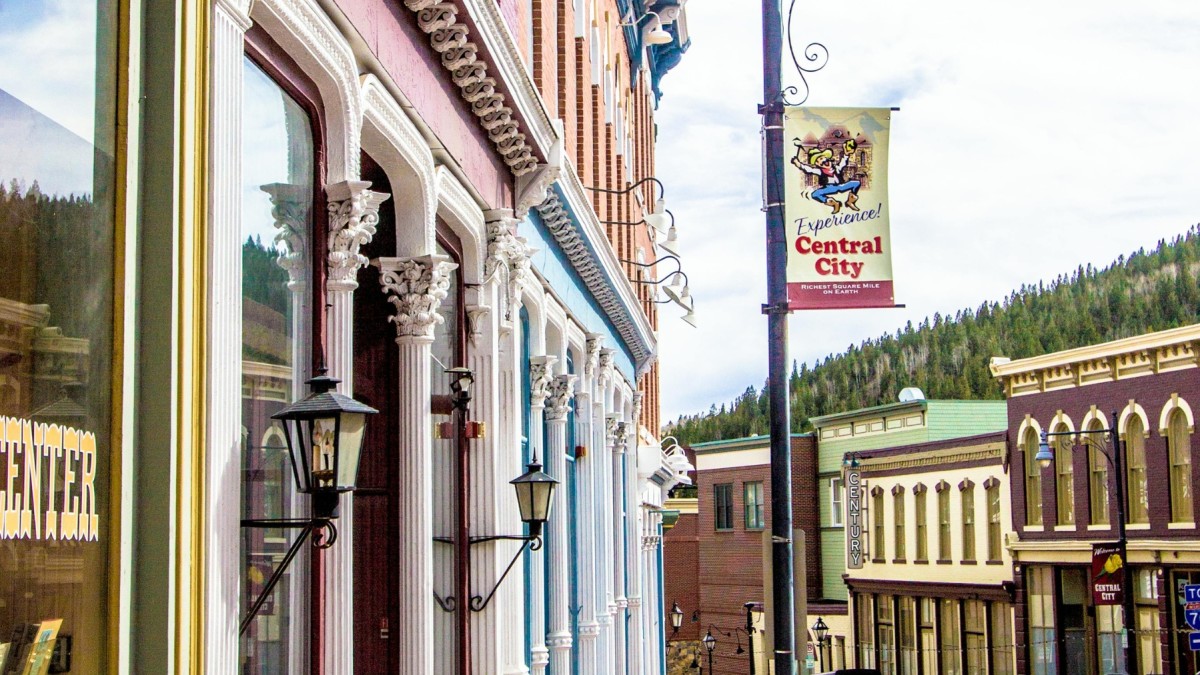
Welcome to Colorado, which is known as the Centennial State. Have you ever wondered why Colorado has that nickname? It became a state in 1876.
Welcome to the Centennial State. Have you ever wondered why Colorado has that nickname? It is because we officially became a state in 1876, the exact same year the United States of America celebrated its 100th birthday. But while the country was celebrating a century of history, Colorado was just getting started. The Gateway to the West vs The Continental Divide.
To understand the American West, you have to look at the map of the United States of America (USA). We start in St. Louis, Missouri. It sits on the West Bank of the Mississippi River, the gateway to the West and so much more.
For many travelers in the 1800s, crossing the river marked the beginning of the journey. But as you move west, you encounter the Ozark Mountains and the flat prairie of Kansas before arriving in Colorado. In Denver, you see the vast Rocky Mountains for the first time. The Rocky Mountains rise up to define Colorado's identity. Running right through them is the Continental Divide. This isn't just a line on a map; it separates the entire continent.
- To the east is the Front Range (East Slope).
- To the west is the rugged (West Slope).
The Modern Disguise. If you visit our mountain towns today, you will see a playground. You will find world-class ski resorts, relaxing hot springs, gaming casinos, and vibrant art communities. In some places, you can even ride historic steam trains through the canyons. But don't let the scenery fool you. These towns were not built for tourists. They were built for survival.
As part of our "Live in America" series, we are going to use our imaginations to travel back in time to the year 1959. Long before the skiers arrived, the prospectors came. They were looking for riches, specifically gold and silver. The cute towns you see today began as gritty boomtowns. They sprang up overnight when valuable minerals were discovered. The Richest Square Mile on Earth.
To understand this era, we must visit Central City. In the 1860s, this town was not just a small mountain community. It held a title that made it famous around the world: "The Richest Square Mile on Earth. It began in May 1859, when a prospector named John Gregory found the "Gregory Lode."
Within two months, 10,000 people had flooded into the narrow valley. The town became so powerful and wealthy that it competed with Denver to become the state capital. The residents were incredibly proud of their success.
There is a famous story that illustrates this pride perfectly. When President Ulysses S. Grant visited the town in 1873, the citizens wanted to show off their wealth. Legend says they laid down bricks made of solid silver for the President to walk on. They wanted the country's leader to literally walk on their riches.
The Hard Reality: But the legends don't tell the whole story. For every man who got rich, thousands of others struggled. Most miners didn't make money; they just needed to find ways to survive the brutal winters. The Fine Print: Mining Claims This history is written into the land itself through something called Mining Claims.
- Patented Claims: The miner owned the land and the minerals.
- Unpatented Claims: The miner had the right to dig, but didn't fully own the land.
Understanding these claims helps explain why our map looks the way it does today. What’s Next? This is just the beginning of our journey. In future lessons, we will continue exploring Colorado's history.
We will learn more about the 1872 Mining Law and its impact on those living in the mountains. We will also learn about the 1862 Homestead Act and the brave families who tried to tame the land.
Categories: : American Culture, Colorado History, Continental Divide, English Vocabulary, Life in America, Mining Claims, Propectors, St Louis Gateway to the West, The Front Range, The Rocky Mountains, The West Slope